How not to feel ambushed by your own life
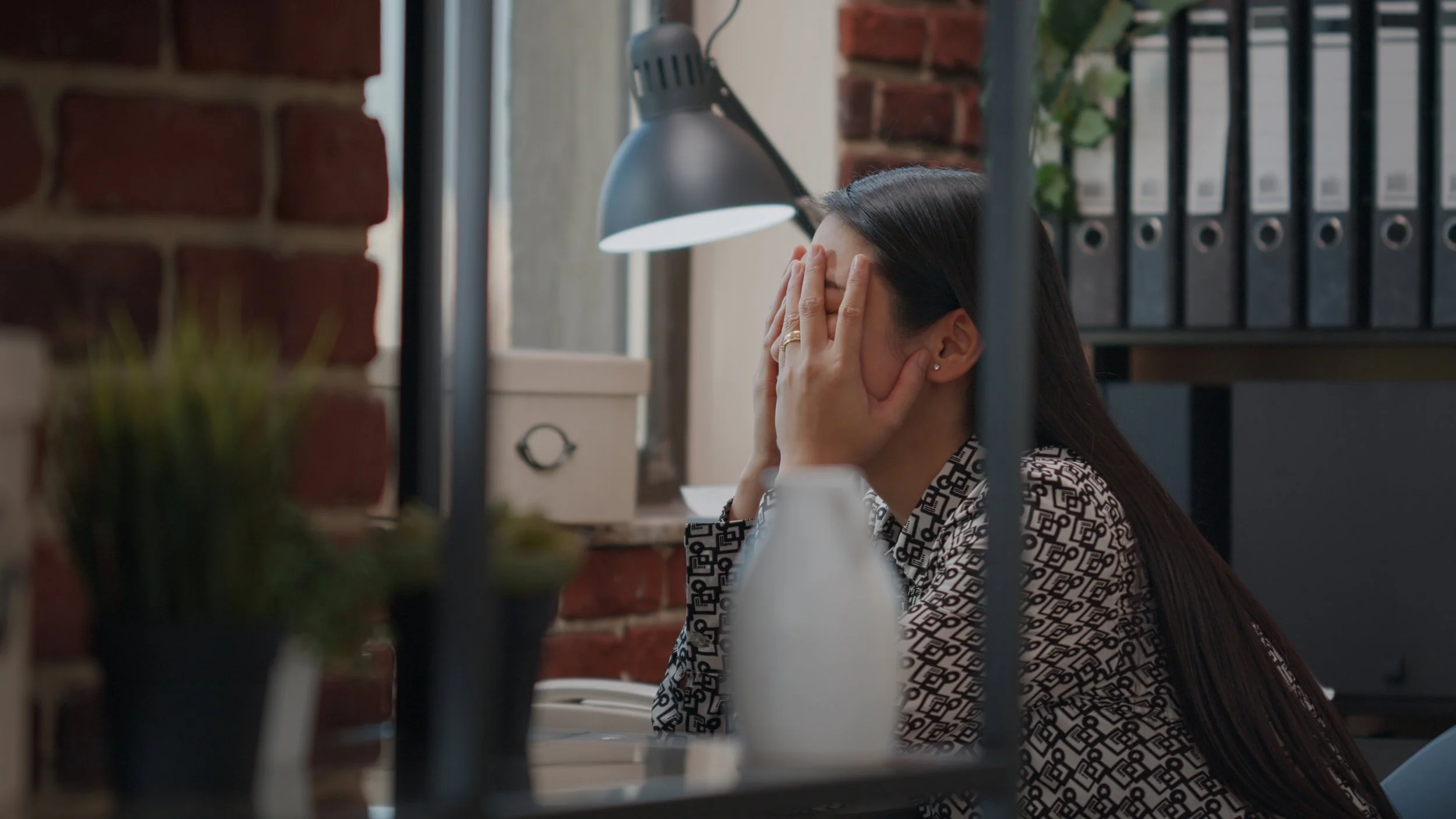
By this stage of the year, the energy of new beginnings has often worn off. The reality of the year has set in. What felt manageable in January can start to feel relentless by March. The pace picks up, the demands accumulate and before long, many of us are no longer moving through our days with intention; we are simply reacting to them.
This is the time of year when overwhelm can sneak up on us. Not always in dramatic ways. Sometimes it arrives as irritability. Or forgetfulness. Or tears that feel out of proportion. Or snapping at the people we love. Or lying awake at night, mentally scrolling through everything we have not yet done. Sometimes it is simply that heavy feeling of being emotionally “full” before the day has even properly begun.
READ: It’s OK not to feel OK
This time of year highlights something important: we cope better when life has tempo and predictability.
We don’t often speak about it in these terms, but it matters. Tempo is the rhythm of our lives: the pace at which our days move and whether that pace feels sustainable. Predictability is our sense of what comes next: the shape of the week, the flow of the day, the plan for the evening, the next step in the process.
And the truth is, our brains rely on both.
There is good neuroscience behind this. The brain does not like uncertainty. When life feels chaotic or constantly changing, it must work harder to scan, anticipate and prepare. Predictability creates a sense of safety. It reduces cognitive load. It allows the brain to conserve energy because not every moment needs to be treated as a new problem to solve.
Tempo matters just as much. When the pace of life becomes too fast for too long, we lose our sense of agency. We rush, but we don’t necessarily move forward well. Mental load builds. Stress increases. Research shows that uncertainty is one of the core drivers of anxiety, which makes sense when you think about it: when we do not know what is coming, it is much harder to feel settled.
Under sustained pressure, the prefrontal cortex, responsible for planning, attention, emotional regulation, and sound judgment, becomes less efficient. So when we say things like, “I can’t think straight,” or “I don’t know why I’m so emotional,” or “I’m usually more organised than this,” we are not imagining it. Under stress, the very part of the brain we need most becomes less efficient.
That is why this season can feel so difficult for so many people. And not only for children.
Yes, children need routine and predictability. They do better when they know what to expect, when home has some rhythm, and when the adults around them provide a sense of steadiness. But adults need that too. Students need it as they try to juggle academic pressure and fatigue. Mothers need it as they carry the invisible labour of family life. Working parents need it as they navigate the constant tension between professional demands and home responsibilities. We all do better when life feels a little less chaotic and a little more containable.
This is where planning comes in though often unfairly dismissed as boring, rigid or controlling.
Planning is not about perfection or control. At its best, it is an act of care. It creates structure where it is needed. It builds rhythm into the week. It creates small islands of certainty in the middle of busy seasons. It helps reduce unnecessary friction and emotional strain not only for us but for those around us.
Planning does not mean controlling everything. Life will still surprise us. Children will still forget things the night before, meetings will be moved and someone will get sick. But planning acts as anchors, helping us prepare for pressure points before they become emotional flashpoints.
In other words, planning creates tempo and predictability.
This is especially important for children and adolescents. As the school year intensifies, they too feel the pressure. Even when they cannot fully articulate it, they are affected by rushing, uncertainty, family stress and the emotional tone of the home. Children do better when they know what to expect: when homework time is predictable, when bedtime is consistent, when adults around them provide calm leadership, and when the week has a rhythm that feels containable rather than chaotic.
Adults are no different. We may have better vocabularies and fuller calendars, but we are still deeply influenced by rhythm and routine. When our days become cluttered with too many competing priorities and too little intentional planning, overwhelm takes over.
Sometimes the most powerful thing we can do is pause and look ahead:
What is coming in the next two weeks?
Where are the pressure points?
What needs to happen and what can wait?
What can be simplified?
What would make this week feel more manageable?
WATCH: Tired of being tired?
This kind of planning does not remove stress entirely, but it changes our relationship with it. It helps us feel less ambushed by our own lives.
There is something deeply compassionate in recognising that we are not meant to function well in chronic chaos. So often, especially as adults, we judge ourselves harshly for feeling overwhelmed. We assume it means we are failing, falling behind or not coping well enough. But sometimes overwhelm is not a sign of weakness. Sometimes it is simply a sign that the tempo has become too fast and the predictability too low, for too long.
And perhaps that is the invitation of this season. Not to become more efficient machines. Not to squeeze even more into already-full days. Not to “push through” at all costs. But rather to pause. To notice the pace. To create more rhythm where we can. To put a few gentle structures in place. To plan meals, diaries, lifts, revision, rest and recovery before the week runs away with us. To accept that in a demanding season, structure is not the enemy of freedom, it is often what allows us to breathe.
How to manage the overwhelm:
Name the season you are in. Acknowledge how fast and full it is. Sometimes stress worsens because we keep expecting ourselves to function as though life is not demanding.
Zoom out. Instead of only reacting to what is in front of you today, look ahead over the next two to three weeks. What is coming? School assessments? Travel? Work deadlines? Social obligations? Medical appointments? Planning ahead creates predictability, even when life remains busy.
Create a weekly rhythm. Not every day has to look the same, but certain anchors help: meal planning, school preparation, exercise slots, admin time, rest time, family check-ins, earlier nights before demanding days. Repetition reduces friction. What is predictable becomes easier to carry.
Distinguish between what is essential and what is optional. Overwhelm often comes not only from what must be done, but from everything we feel we should do. A busy season is a good time to simplify. Lower the bar where you can. Preserve energy for what matters most.
Communicate the plan. In families, predictability is a shared resource. Inform children what the week looks like. Tell partners where the pressure points are. Communicate upcoming deadlines to teams. Unspoken expectations increase anxiety; shared expectations reduce it.
Remember that tempo is not just about speed. It is about sustainability. A healthy tempo is one that allows progress without depletion. Sometimes the most productive thing we can do is not to speed up, but to become more deliberate.
As we move toward Easter and the close of the first term, many of us are tired in ways that are not only physical. We are carrying mental clutter, emotional responsibility and the accumulated pace of the year so far. Perhaps now is the moment to stop asking only Where has the year gone? and to start asking a better question: What kind of rhythm do I need now?
Calm is not always something that simply arrives when life becomes less busy. Very often, calm is something we build. We build it through rhythm. Through planning. Through predictability.
Through small acts of foresight and self-kindness. Through creating lives that our brains and bodies can actually live in. And maybe that is the real invitation for this season: not to control everything, but to shape our days with enough intention that we are no longer constantly caught off guard by our own lives.
